
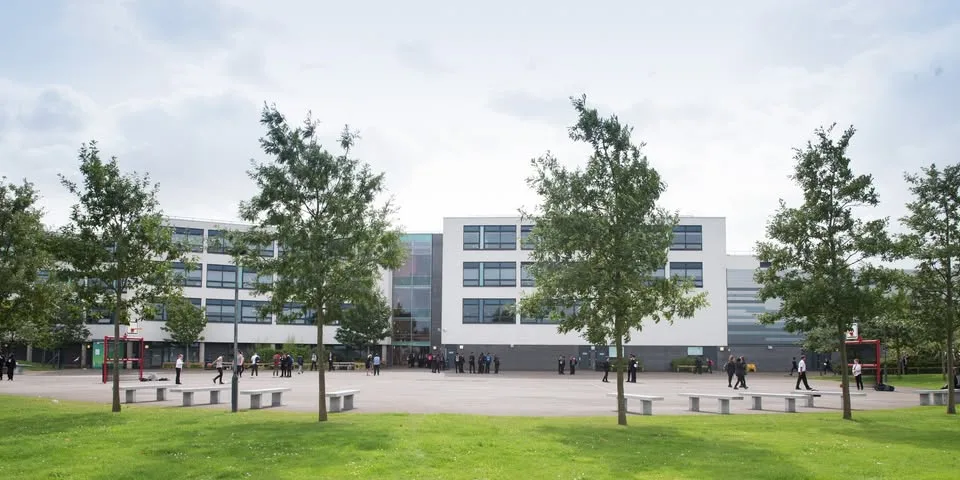
A Bristol secondary school which was widely criticised over the postponement of an MP’s visit has seen its decision-making vindicated and allegations of antisemitism rejected by an independent inquiry.
Bristol Brunel Academy had invited Labour MP Damien Egan to speak to pupils about democracy and his role as an MP back in September, but postponed the visit on safety grounds after learning of a potential public protest over Mr Egan’s visit.
The visit was rescheduled – initially for December, before both the school and MP instead agreed on a February date – but before it could take place, Bristol Brunel found itself at the centre of a media storm amid inaccurate reports it had ‘banned’ Mr Egan because of his Jewish heritage.
Mr Egan had previously visited six schools within the Cabot Learning Federation (CLF), of which Bristol Brunel Academy is part.
An urgent Ofsted inspection cleared Bristol Brunel’s leadership of showing any discrimination or political bias in its culture and teaching – and now an independent inquiry into its decision-making and the wider culture has also concluded there is ‘no evidence of antisemitism’ within either the school or CLF.
The inquiry, which took place over the course of a month and was led by former Association of School and College Leaders president Dame Joan McVittie, included extensive interviews within the school and other relevant bodies, as well as a detailed review of training materials and trust policy documents.
Dame Joan McVittie concluded the decision to postpone Mr Egan’s visit had been taken solely to protect students, staff and the MP amid the uncertainty of the planned protest – and there was ‘no evidence of the influence of lobbying groups on the decision makers’.
In her report, Dame Joan McVitte said:
“The threat of a protest where there were so many unknowns – information about the size, which groups would be involved, and the risk of local activists joining – created a significant risk to students and the MP.
“The overriding priority for school leaders in any decision must always be safeguarding children and the health and safety of all those on their school site including visitors.
“From the evidence I have gathered I conclude that the decision to postpone on the 5th September was based solely on safeguarding concerns for students and the MP.”
Additionally, the report concluded that the core values of Bristol Brunel Academy and the CLF – which include tolerance, inclusivity and the rejection of discrimination – are supported through detailed EDI training and ‘a wealth of wisdom and challenge’ from governors and trustees.
Dame Joan McVitte said: “The evidence I found during my visit and in the contact I have had with senior leaders in the trust leads me to conclude that for them these are ‘lived’ values. They are role models for staff in the trust.
“In addition to their behaviours which embody the core values they also provide guidance and training for staff to help them understand and implement the law and guidance around their duties as educators and carers for young people.
“The evidence I have gathered leads me to conclude that the decision to postpone was based not on the MP’s religious beliefs or links to Israel but on a desire to protect him from potential abuse and harm as a consequence of this.”
The inquiry offered several recommendations around future political visits to schools within the CLF and across the country.
These include adherence to parliamentary protocols which suggest giving no advance community notice of MP visits, as well as closer working between schools, police, local authorities and the Department for Education (DfE) when making decisions around sensitive visits.
It also recommended that the DfE or parliamentary authority offer improved guidance and security for schools planning visits, and for MPs’ constituency teams to carry out deeper checks on social media prior to visits by MPs and where necessary alert school leaders to community tensions.