While we cannot know the future, the purpose of the CLF Strategy 2030 is to ensure the CLF is prepared and focused on meeting the challenges of this decade, while also providing hope and opportunities to our learners, our people and our communities; it is against the ideals of this narrative that work of the trust is monitored and its future success judged.

Steve Taylor, CEO - Cabot Learning Federation

Our Core Strategy

Equity Through Education is underpinned by three core strategies central to all trust activity. They guide decisions around development and improvement, while adhering to our commitment to create equity of opportunity, promote inclusion, remove disadvantage and reject discrimination.

  • Through the Lens of Disadvantage

    • Strategic emphasis on delivering excellence for disadvantaged learners even over other groups.
    • Benchmarking our impact through the lens of disadvantaged learners.
    • Developing best practice among CLF People to deliver for disadvantaged learners.
    • Working in tandem with others via CLF Partnerships to support our most disadvantaged families.
  • Investing in People

    • Sector-leading support, learning and professional development.
    • A welcoming, diverse and inclusive environment.
    • Resilient, empowered teams, with leaders at all levels.
    • Meaningful commitment to wellbeing and career progression.
    • High standards and ambitions for learners and their families.
  • Investing in Partnerships

    • Deep and collaborative connections throughout our communities.
    • Clear understanding of community issues and opportunities, and enthusiasm to engage.
    • Strong relationships with learners, parents, carers, volunteers and alumni.
    • Contribute to the educational and social landscape – locally, regionally and nationally.
    • Partner with other civic agencies to be a force for good in our local area

The Core Enablers

The Core Enablers within the CLF Strategy provide the conditions, capability, and infrastructure required to deliver the trust’s core ambition of Equity Through Education.

While the Core Strategies define what the trust is seeking to achieve, the Enablers ensure that the organisation has the capacity, culture, and sustainability to deliver those ambitions consistently across all settings. Taken together, the Enablers: 

Strengthen organisational resilience and long-term sustainability

Build a high-performing, inclusive workforce and culture

Ensure the trust operates in a way that is responsible, future-focused, and aligned to wider societal priorities

They are therefore not standalone priorities, but foundational drivers that underpin delivery of:

  • Investing in CLF People
  • Through the Lens of Disadvantage
  • Inclusive Excellence and High Expectations

This aligns with the framing of ‘Inclusive Excellence; High Expectations’ and the increasing focus on retention, culture and sustainability as critical to long-term impact.

Enabler strategies ensure the trust has the capacity, culture and sustainability to deliver Equity Through Education.

  • DEIB: Builds an inclusive, high-performing workforce and culture
  • Environment: Embeds sustainability and prepares future-ready learners
  • Organisational sustainability: Secures financial resilience and enables strategic investment

Strategy In Action

05
Nov

Redstart pupils get creative with sock monkeys

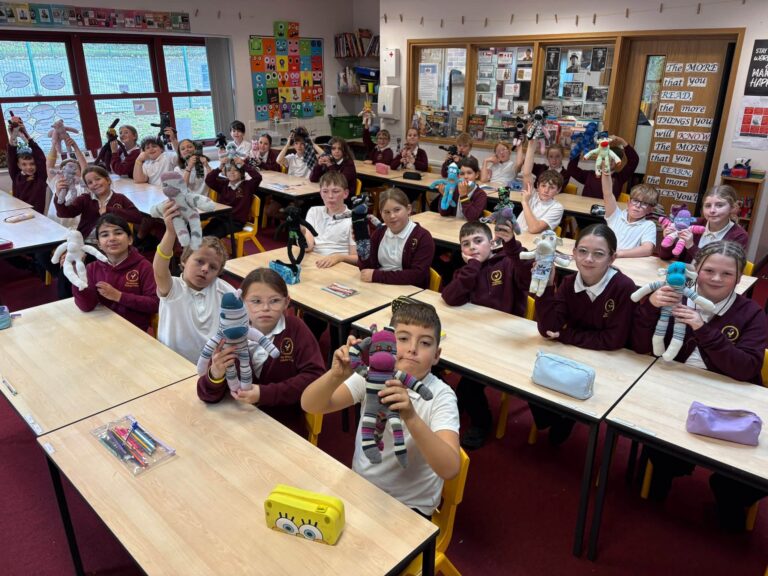
Year 6 pupils at Redstart Primary School have been putting their creativity to the test by making their very own sock monkeys as part of their learning about World War Two.

Using their vivid imaginations, the pupils experimented with a variety of designs, colours and styles to create a fantastic collection of unique sock monkey characters. Each creation showcased the children’s individuality, creativity and enthusiasm for the project.

The activity links to the wartime theme of ‘Make Do and Mend’, a British Government campaign introduced during World War Two to encourage people to make the most of existing clothes and materials, reduce waste and conserve valuable resources for the war effort.

Sock monkeys became popular during periods of economic hardship, including the Great Depression and wartime, when families often had to find creative ways to make toys using materials, they already had at home. Worn-out work socks could be transformed into homemade monkey dolls, giving new life to items that might otherwise have been thrown away.

A spokesperson for the academy said: “Pupils have done a fantastic job creating their own sock monkeys. It has been wonderful to see their imaginations come to life through such a hands-on activity.

“The project has helped bring their learning about World War Two to life, while showing them how people in the past made the most of the resources available to them.

“We are incredibly proud of the creativity, effort and enthusiasm they have shown.”

The project has provided pupils with an engaging way to explore an important aspect of wartime life, while developing their creative skills and understanding the value of reusing materials and reducing waste.


04
Nov

Broadoak students explore Bristol’s harbourside

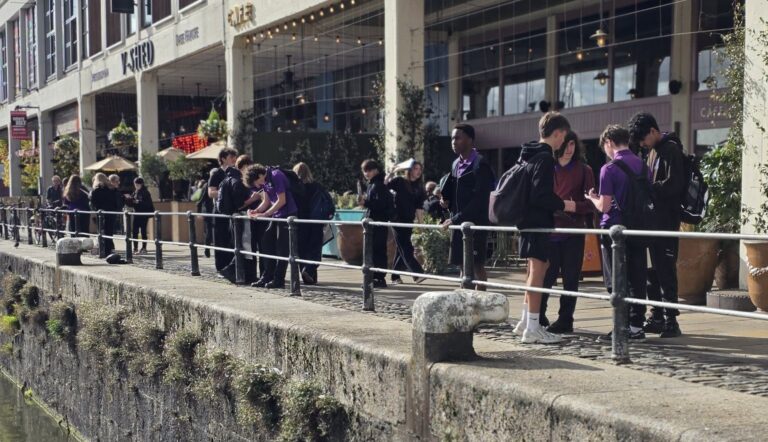
A group of Year 10 students from Broadoak Academy recently took part in an engaging geography field trip to Bristol’s historic Harbourside docks, organised by humanities teacher Stephanie Kashtm.

The visit provided students and staff with a valuable opportunity to explore the area’s regeneration and examine how Bristol’s waterfront has evolved over time.

From investigating the redevelopment of buildings at Canon’s Marsh to exploring the emerging developments at Redcliffe Wharf, students gained first-hand insight into the changing landscape of Bristol’s Harbourside and the impact of regeneration on the city.

The trip also offered students the chance to develop essential communication and interpersonal skills.

Stepping outside their comfort zones, they approached members of the public to conduct questionnaires, demonstrating confidence, resilience and maturity throughout the activity.

Adding further depth to the visit, Rose Hooke, Associate Assistant Principal for Culture, delivered a thought-provoking and passionate speech about Black History at the docks. This encouraged students to consider the historical and cultural significance of the area, highlighting the important connections between geography, history and the communities that have shaped Bristol.

The students were a credit to the academy, embracing every opportunity to learn and demonstrating impressive enthusiasm throughout the day.

James Evans, Head of Humanities, commented: “It’s amazing to see our students speaking to people they have never met before so eloquently. It takes a lot of courage for some, and they are doing so well.”


Read our Full Strategic Plan

Contact Us

CEO: Sir Steve Taylor
Federation House
King's Oak Academy
Brook Road, Bristol
BS15 4JT
Contact Us
Registered Company: Cabot Learning Federation
Company No: 06207590